
The dangerous myth of the “easygoing” partner
or why you need to stop waiting for your partner to read your mind

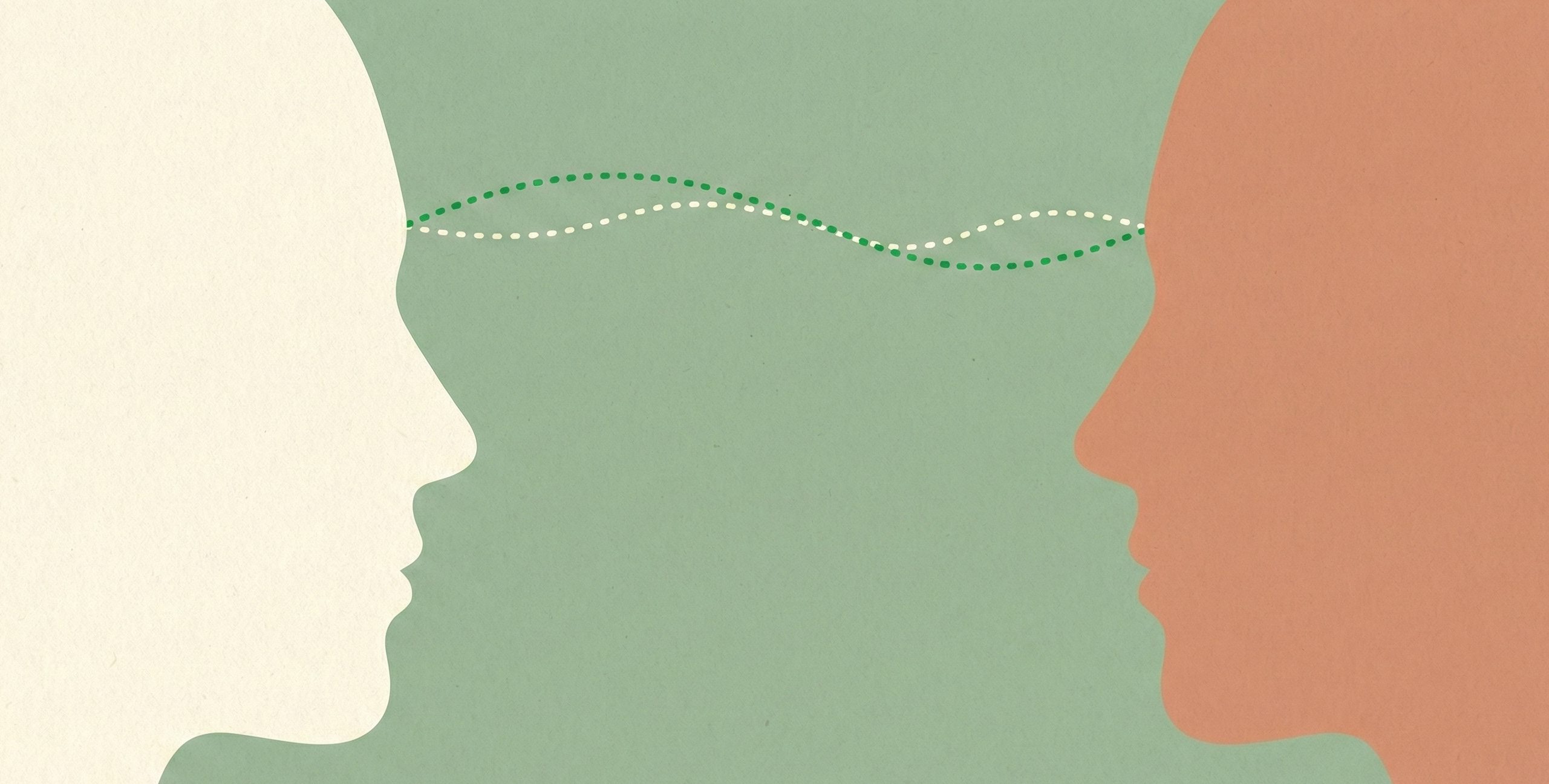
I used to wear my “low maintenance” label like a badge of honor.
I didn’t nag. I didn’t complain. If I didn’t like the restaurant, I ate the food anyway. If I was tired of the weekend plans, I went along with a smile. I told myself that this was what love looked like.
I thought that to be lovable, I had to be seamless.
But the bill always came due.
Because I hadn’t learned to speak, I eventually learned to shout. The weeks of “being easy” would curdle into a moment of pure, blinding rage over something small, like a wet towel on the floor or a misunderstood comment.
I was oscillating between two disasters: The Silence and The Explosion.
In the Silence, I was lonely. In the Explosion, I was destructive.
I didn’t know there was a middle ground. I didn’t know that the most romantic thing you can do for a partner isn’t to agree with them.
It is to teach them, gently, how to love you.
The telepathy trap
We are sold a lie that sets us up for failure.
We are taught that “True Love” is a form of telepathy. We believe that if two people are meant to be, they will instinctively know what the other needs. We tell ourselves: If I have to ask for it, it doesn’t count.
So we wait. We hope they will notice we are overwhelmed. We hope they will sense we are insecure.
When they don’t, we don’t just feel disappointed. We feel betrayed. We decide that their inability to read our minds is proof of their lack of character.
But psychology tells us something different. We aren’t angry because our partners are cruel. We are angry because we are panicked.
When we feel unheard, our body enters a “fight or flight” response. We view our partner not as a loved one, but as a threat to our emotional survival. And you cannot communicate with a threat. You can only attack it or hide from it.
The curriculum of complaint
In a better world, we would have had classes on this. Between Geography and Physics, we would have had “Introduction to Disappointment.”
We would have learned that our needs, no matter how specific, weird, or “undignified,” are legitimate. You are allowed to hate garlic. You are allowed to need eight hours of sleep to function. You are allowed to feel anxious about their coworker.
The problem isn’t the need. The problem is the delivery.
Research shows that the first three minutes of a difficult conversation determine 96% of the outcome. If you start with an attack (”You always...”), you have already lost.
We have to learn the art of the Soft Startup.
It feels counterintuitive. When you are hurt, you want to strike back. But to be heard, you have to do the opposite. You have to secure the bridge before you move the heavy cargo across it.
It requires a specific, four-step bravery.
1. The Reassurance
Before you say the hard thing, you must say the true thing: that you are not going anywhere.
“I love you and I’m committed to us. I’m only bringing this up because I want us to work...”
2. The Conviction
Stop apologizing for who you are. State your need as a fact about your internal world, not an attack on their character.
“I’ve realized that I get really anxious when plans change last minute. It’s just how my brain is wired.”
3. The Room to Disagree
This is the hardest part. You must release the demand that they view the world exactly as you do.
“I know you love spontaneity, and I don’t want you to change that about yourself. But I need you to understand that for me, it feels like chaos.”
4. The Exit
If you do all this, if you are gentle, clear, and fair, and they still punish you for it? Then you have your answer. A relationship where you cannot safely speak your needs is not a partnership.
It is a cage.
Dropping the “nice” act
If you are stuck in a cycle of silent resentment, you don’t need to care less. You need to speak more.
You have to stop trying to be the “easygoing” partner.
“Easygoing” is often just a fancy word for “unknown.” And you cannot be loved if you are not known.
We have to risk being “difficult.” We have to risk the awkwardness of saying, “Actually, I’m not okay with this.”
It feels dangerous because we are terrified they will leave. But the irony is that silence is what makes them leave. Silence erodes the intimacy until you are just two polite strangers sharing a postcode.
The goal isn’t to find a partner who never annoys you. The goal is to build a relationship where you can look at them and say:
“I love you enough to tell you that you’re driving me crazy. And I feel safe enough to trust that you’ll listen.”
Repair: The Most Underrated Relationship Skill

When I look back at some of the worst fights I’ve had in relationships, I’m always struck by how small the original trigger was.
This resonates a lot. I grew up feeling like I didn't have a voice and believed that people like me more when I didn't speak up. I'm muddling to the other sides of this leveraging my previous experience as contrast. I'm finding I can speak my truth with words of kindness. Speaking helps to bring a level of clarity. It's messy, it's tricky, but I'm finding it's worth it.